Is It Safe to Visit Cuba? A Practical Safety Guide for Travelers
Quick Decision Summary: Yes — Cuba is generally safe to visit, especially in tourist areas. Violent crime is rare. Most travelers experience petty issues like pickpocketing or scams, not serious threats. Cuba is considered one of the safest countries in the Caribbean for tourists, but safety depends more on awareness and planning than on crime levels alone.
If you stay in known areas, plan your transport, and stay aware, Cuba is one of the safer destinations in the Caribbean.
To understand how safety works across different destinations, see our guide on how to evaluate safety in major cities.
Why Travelers Ask Safety in Cuba
Cuba remains one of the most searched Caribbean destinations, but safety concerns often influence travel decisions.
Cuba creates uncertainty for many travelers. It’s not always for the reasons people expect.
It’s not mainly about crime. Instead, most concerns are things like political system, travel restrictions, limited infrastructure, and the mix of conflicting information online.
If you search about Cuba, you’ll usually see two completely opposite views. Some say it’s one of the safest places to visit, while others describe it as unstable or difficult to travel.
The truth sits somewhere in the middle.
That’s why the real question is not: “Is Cuba safe?”
The real question is: “What risks actually affect travelers in Cuba — and how can you manage your safe visit to Cuba?”
How Safe Is Cuba Compared to Other Caribbean Destinations
Compared to destinations like Mexico, the Dominican Republic, or parts of Brazil, Cuba generally reports lower violent crime affecting tourists. However, infrastructure limitations create a different type of travel risk.
Especially if you consider serious crimes, Cuba is often considered safer than many countries across Latin America and the Caribbean.
Violent crime is relatively low. Gun-related incidents are extremely rare. Most problems travelers face are non-violent, such as petty theft or small scams in busy tourist areas.
Authorities put extra focus on keeping visitor areas stable. Cuba has strong government control, strict laws, and heavy penalties for criminal activity. On top of that, tourism plays an important role in the economy. This is why, many tourist zones feel more controlled and monitored compared to other destinations in the region.
The 5-Step Safety Check for Cuba
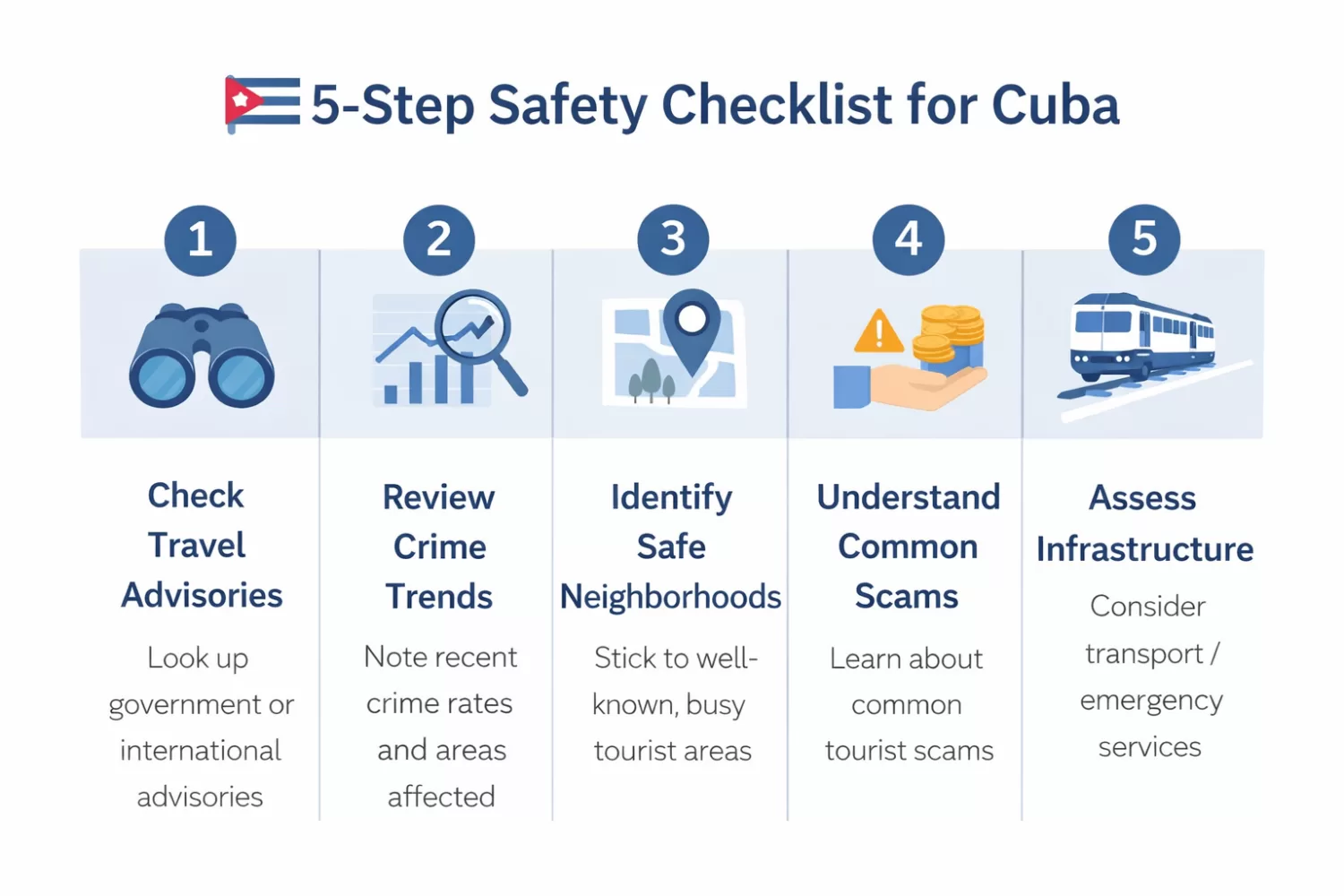
Look at safety from a practical angle rather than relying on a single factor. Experienced travelers usually look at a few key factors to get a clearer picture.
1. Travel Advisory Status
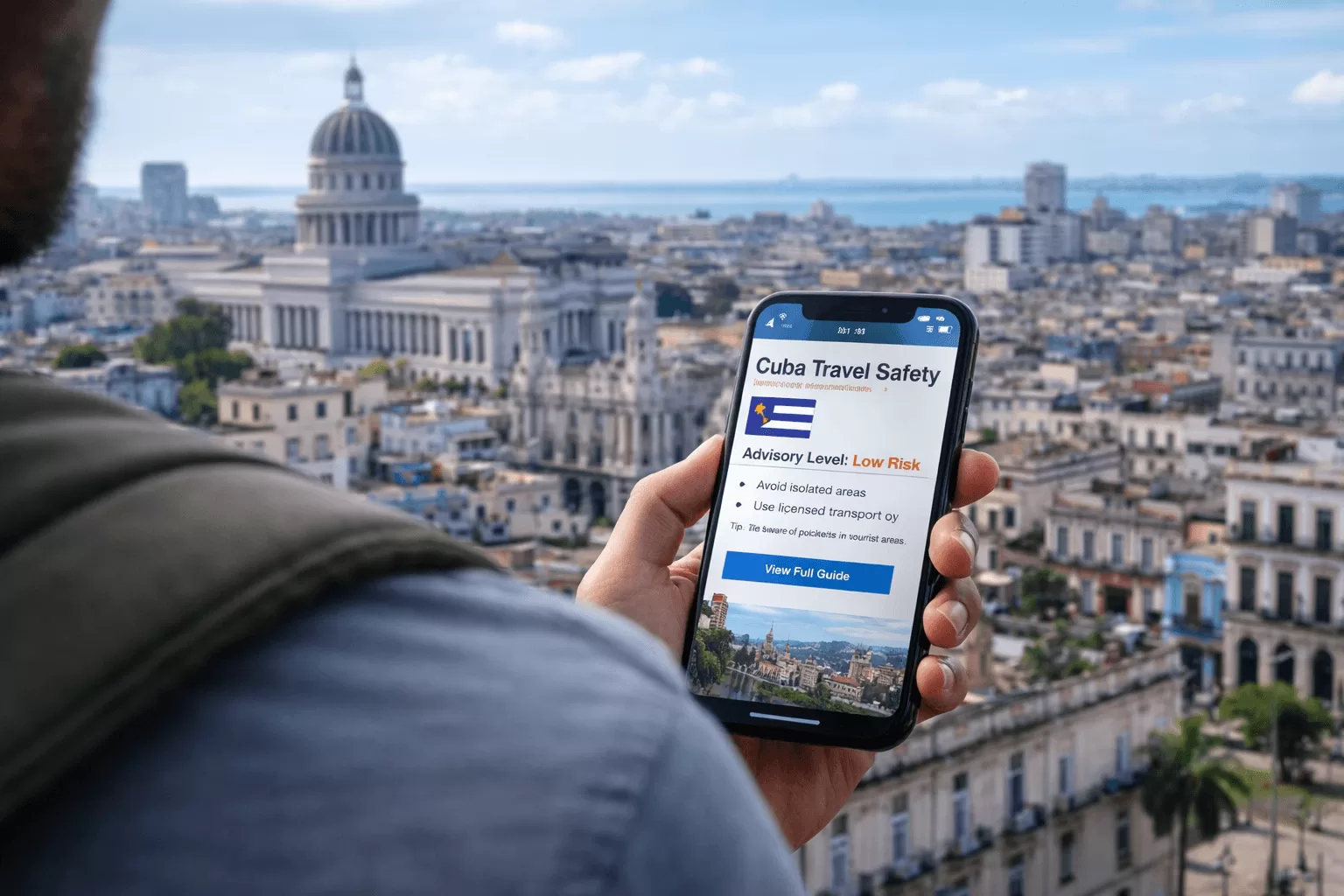
Most countries place Cuba under “Exercise Increased Caution (Level 2)”.
This doesn’t mean the country is unsafe. It simply means travelers should stay aware and informed rather than treating it as a risk-free destination.
2. Crime Reality
Cuba has low levels of violent crime, especially compared to many nearby countries.
However, petty crime does exist. In busy areas, travelers may encounter pickpocketing or small scams, particularly in crowded streets or tourist zones.
3. Safety of Tourist Areas
What matters most is not how safe Cuba is overall, but where you stay during your trip.
Places like Old Havana, Vedado, Trinidad, and Varadero are well-known for tourism. These areas are more active, better monitored, and generally safer for visitors.
4. Common Tourist Scams
Cuba has its share of minor scams just like other destinations.
These usually involve things like unofficial guides, taxi overcharging, or distraction tactics in busy areas. They are rarely dangerous, but they can catch unprepared travelers off guard.
5. Infrastructure and Travel Conditions
This is where Cuba feels different from many other destinations.
Travelers often deal with limited internet, a mostly cash-based system, occasional power outages, and fuel shortages. These don’t usually affect personal safety, but they can impact how smoothly your trip goes.
Quick Risk Snapshot
- Violent crime: Low
- Petty theft: Moderate in tourist areas
- Scams: Common but minor
- Infrastructure risks: High (planning required)
- Overall safety: Generally safe with awareness
Key Safety Factors to Consider When Visiting Cuba
Safety in Cuba becomes clearer when you break it down into real-world factors. The following factors provide a more complete and practical view.
Crime Levels
Cuba has relatively low levels of violent crime, especially compared to many nearby countries. Most incidents that involve travelers are minor, not serious.
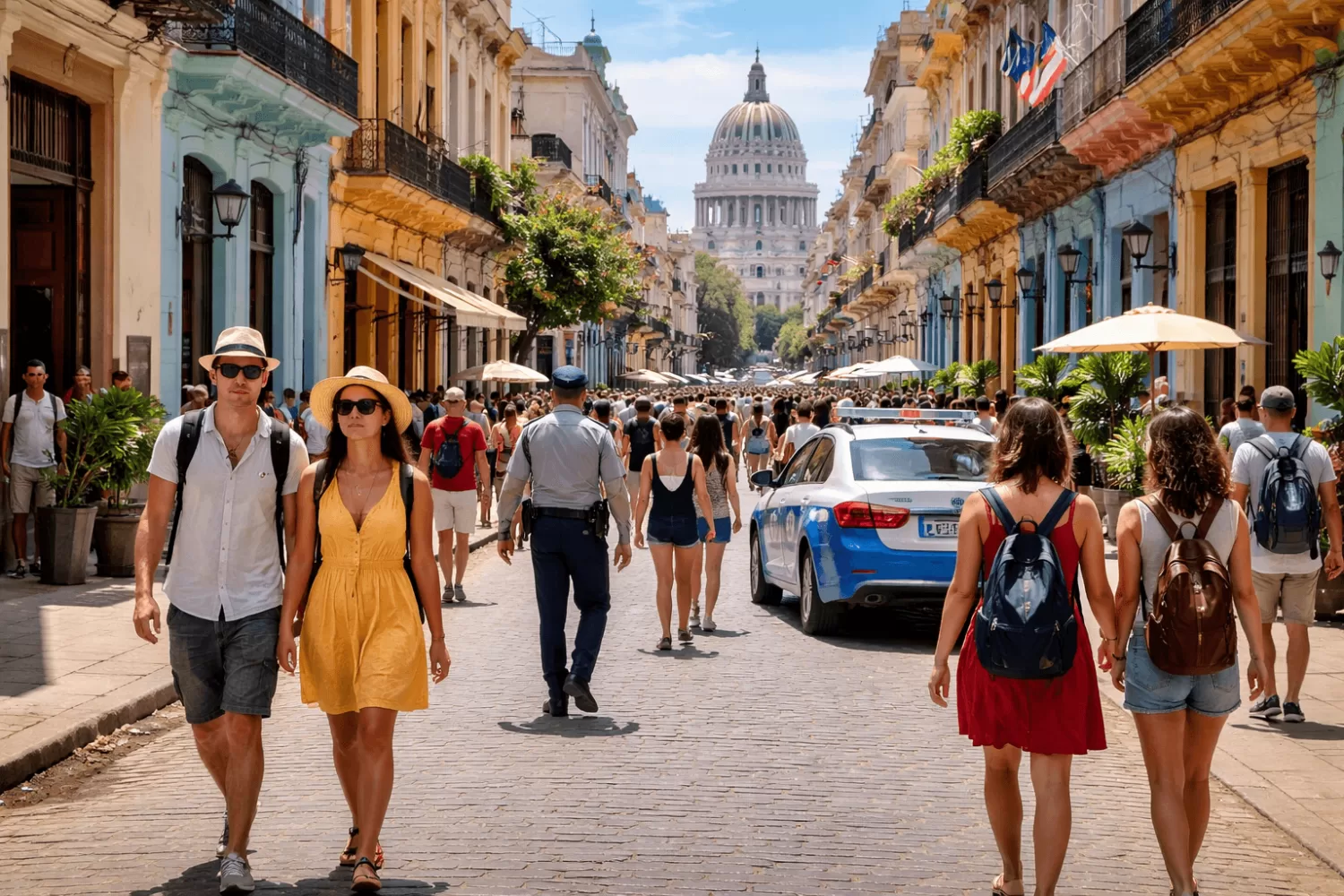
Pickpocketing, bag snatching, and small scams are the most common issues. These usually happen in crowded places, tourist hotspots, or in the public transportation.
Staying aware makes these risks easy to manage.
Political Stability
Cuba is politically stable, but it operates under a tightly controlled system.
Protests are not common, but they can happen occasionally. Travelers should avoid any demonstrations or large gatherings, as these situations can change quickly.
In general, tourists are not targeted, and most visits remain smooth.
Transportation Safety
Transportation is one of the more practical concerns in Cuba.
Road conditions can be inconsistent, driving standards vary, and night driving can feel uncomfortable due to poor lighting and road quality.
Its best not to rely on random transportation options, instead, visitors in Cuba find it easier and safer to use pre-arranged drivers or registered taxis.
Tourist Infrastructure
Cuba places strong importance on tourism, and this is reflected in its main visitor areas.
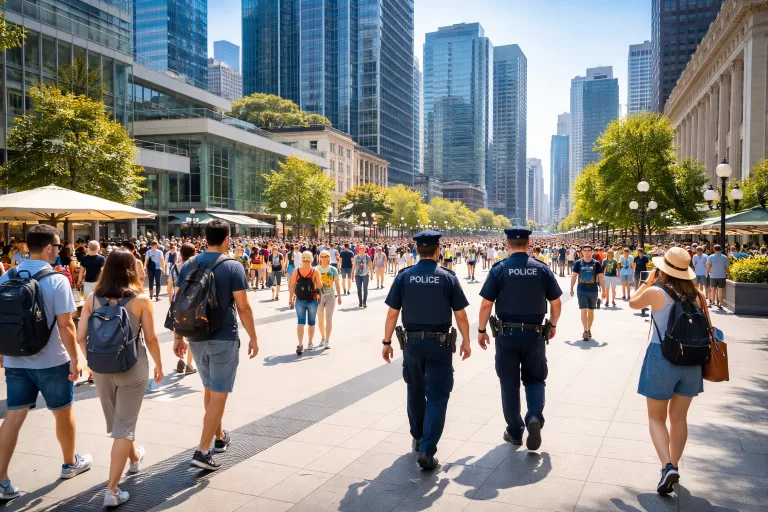
Popular districts tend to have a visible police presence, active streets, and services designed for travelers. These environments naturally feel safer than quieter or less developed parts of a city.
Economic Conditions
Cuba’s economic situation does affect the travel experience.
Shortages, limited resources, and lower incomes can lead to small scams or opportunistic theft, particularly in tourist-heavy areas.
However, these are typically non-violent situations and can be avoided with simple precautions.
Common Safety Risks Travelers Face
These are common in many popular tourist destinations around the world.
Pickpocketing
Pickpocketing is the most common issue travelers face in Cuba. It usually happens in busy areas, crowded streets, or public transportation where distractions are easy.
Staying aware of your surroundings and keeping valuables secure is usually enough to avoid problems.
Tourist Scams
Cuba has small scams that target visitors.
These often involve unofficial taxi drivers, overly friendly strangers offering help, or situations where you may be overcharged. These situations are rarely dangerous, but they can be frustrating if you’re not prepared.
Cash Handling Risks
Managing cash carefully is one of the most important Cuba travel safety tips. Cuba operates mostly on cash, which creates a different kind of risk.
Credit and debit cards are not widely accepted, and access to ATMs can be limited. This means travelers often carry more cash than usual, making it important to manage it carefully and avoid displaying it in public.
Infrastructure Challenges
Some of the biggest challenges in Cuba are not safety-related, but practical.
Power outages, weak internet access, and occasional fuel shortages can affect your plans. They don’t pose direct risks, but they can make travel less predictable.
Is Travelling to Cuba Safe for Different Travelers
Solo Travelers
Cuba is generally safe for solo travelers, and many people explore the country on their own without major issues.
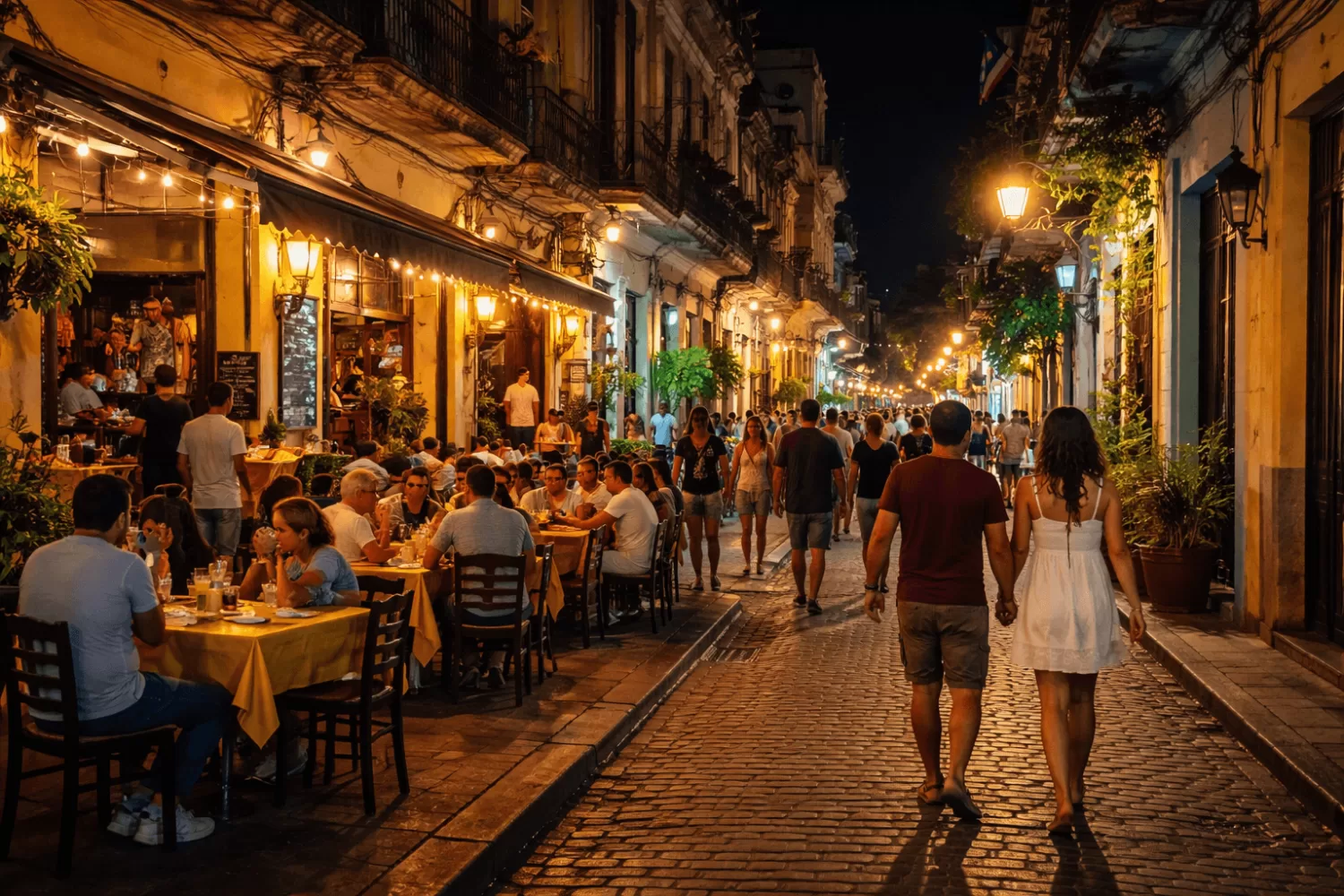
That said, it’s still important to stay aware of your surroundings. Avoid isolated areas at night, and be cautious around persistent strangers offering help or trying to start conversations.
Female Travelers
Cuba is considered relatively safe for female travelers, including those traveling alone. However, like in many destinations, you may receive attention or occasional comments in public areas.
These situations are usually more uncomfortable than dangerous, but it’s still best to avoid walking alone late at night and stick to well-lit, active areas.
Families
Cuba is a comfortable destination for families too. The low level of violent crime, combined with a generally welcoming environment, makes it suitable for travelers with children.
Staying in established tourist areas and using reliable transportation makes family travel even smoother.
Safest Places to Stay in Cuba
How safe and comfortable your Cuba trip feels entirely depends upon where you stay.
Travelers mainly choose well-known areas including:
- Old Havana
- Vedado
- and Miramar in Havana
- along with cities like Trinidad and Cienfuegos.
These places are more developed for tourism, easier to navigate, and generally feel more secure.
Varadero is also considered very safe, although it’s mainly visited by non-U.S. travelers due to travel restrictions.
You’ll find better infrastructure, more active streets, and services designed for visitors, which naturally improves the overall sense of safety in these areas.
Areas to Be Careful In
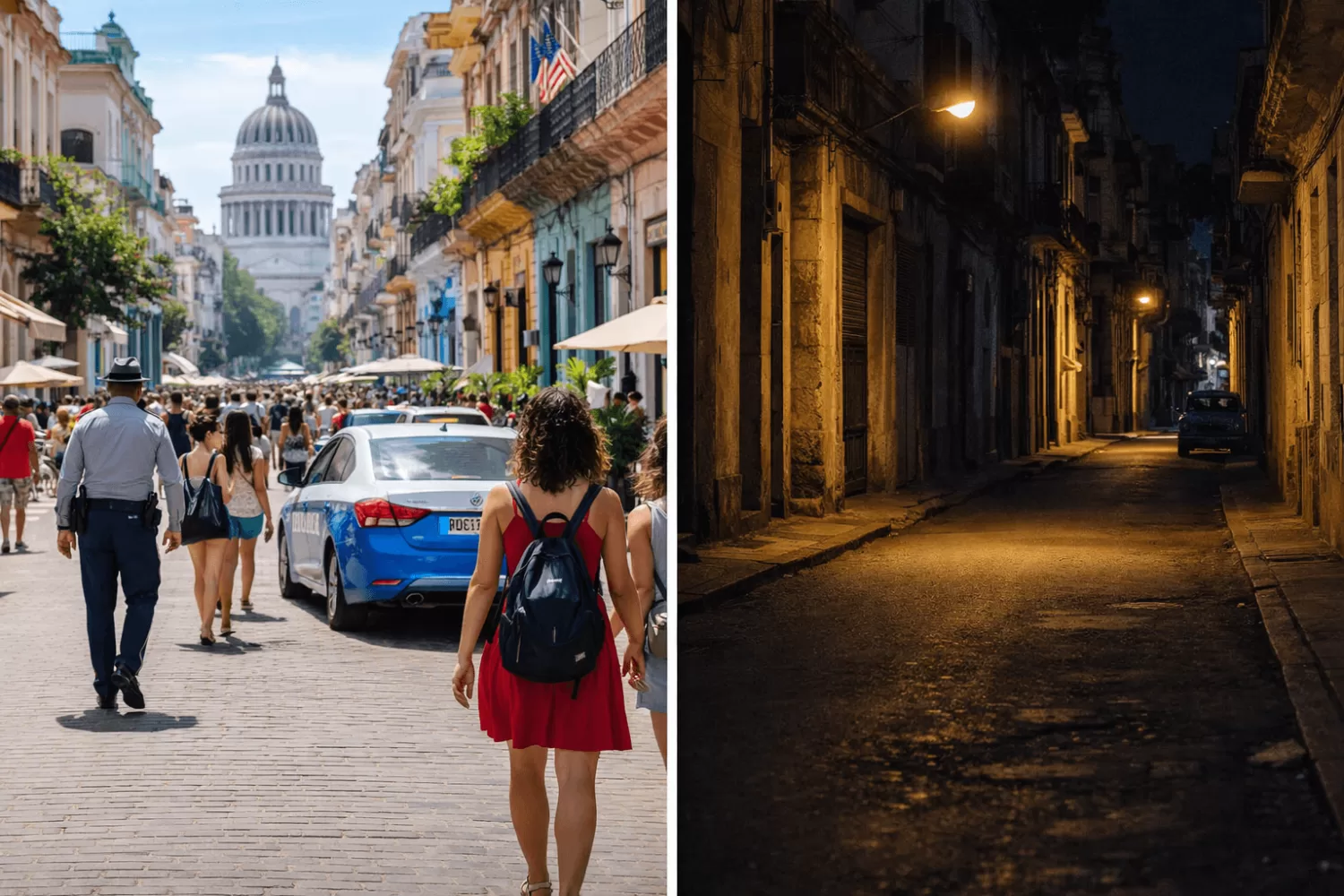
Cuba is not known for highly dangerous zones, but some areas are less suitable for travelers, especially at certain times.
Poorly lit streets at night, quiet or isolated neighborhoods, and unfamiliar residential areas can feel uncomfortable due to low activity and limited visibility. These situations contribute more to your Cuba travel than actual crime.
In most cases, the risk comes from the environment rather than direct threats. Staying in active, well-known areas and avoiding empty streets late at night is usually enough to stay safe.
Quick Practical Safety Tips for Cuba
These simple Cuba travel safety tips prevent most problems.
– stay in well-reviewed accommodations
– avoid empty streets at night
– use licensed taxis only
– carry limited cash daily
– keep valuables hidden
– don’t trust overly friendly strangers
Simple habits prevent most problems.
Is Cuba Safe Right Now in 2026?
Yes — Cuba remains safe for tourists in 2026.
There are no major increases in violent crime affecting visitors. However, economic conditions and infrastructure challenges continue to affect the travel experience.
Final Verdict: Is Cuba Safe to Visit?
Yes — Cuba is safe for most travelers.
However, safety here works a little differently than in many destinations. It’s not mainly about violent crime, but about how well you plan and handle day-to-day situations.
Travelers who stay aware, choose the right areas, and prepare for local conditions usually have a smooth and trouble-free experience.
If you approach Cuba with the right expectations, it can feel both safe and rewarding to explore.
Frequently Asked Questions
Is Cuba safe for tourists right now?
Yes, Cuba is generally safe for tourists. Most visitors spend their time in well-known areas where violent crime is low and security presence is higher.
What is the biggest risk in Cuba?
The most common risks are petty theft and small scams, especially in busy tourist areas. Serious crime involving travelers is rare.
Is Havana safe for tourists?
Yes, Havana is considered safe for visitors, particularly in central areas like Old Havana and Vedado where most attractions and accommodations are located.
Is Cuba safe for solo female travelers?
Cuba is relatively safe for solo female travelers. While unwanted attention can happen, it is usually not dangerous. Staying in active areas and following basic precautions is usually enough.
Can tourists walk around at night?
Yes, in busy and well-lit areas. It’s best to avoid empty streets or unfamiliar neighborhoods late at night, especially if you’re alone.
Is Cuba safer than Mexico for tourists?
Cuba generally has lower violent crime affecting tourists compared to many parts of Mexico. However, travel experience differs due to infrastructure limitations in Cuba.
Data Sources and Safety Indicators
The insights in this guide are based on a combination of global safety data and real travel conditions, including:
- government travel advisories
- Global Peace Index
- Numbeo Safety Index
- UN Office on Drugs and Crime (UNODC)
- observed traveler patterns and on-ground experiences

The Travel Joint Editorial Team creates clear, research-driven travel guides designed to help readers make informed decisions about routes, safety, costs, and travel expectations. Our content is based on structured analysis of publicly available information and common travel patterns, with a focus on practical, honest answers for US-based travelers.