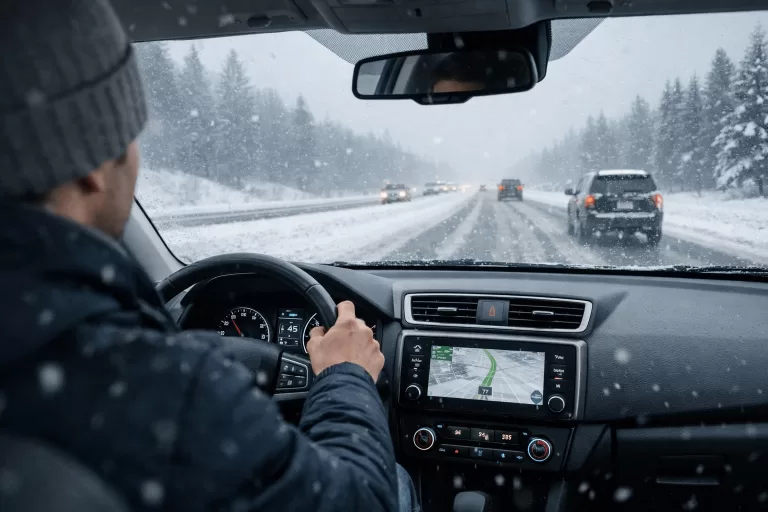
How to Prepare for Winter Travel: Essential Safety Tips for Road Trips
Winter road trips across the United States and Canada can be beautiful and memorable. Snow-covered forests, frozen lakes, and quiet highways create a unique travel experience. However, winter travel also brings challenges such as icy roads, sudden storms, and very cold temperatures.
This guide is designed for travelers planning winter road trips across the United States and Canada. It explains simple steps for preparing your vehicle, packing essential supplies, driving safely on snow and ice, and handling emergencies in cold weather.
Good preparation helps travelers stay safe and comfortable during winter trips. In the United States alone, more than 500,000 crashes each year involve snow or icy road conditions, which shows why winter travel preparation is important. Checking weather conditions, preparing your vehicle, and packing the right supplies can prevent many problems on the road.
1. Understanding Winter Weather Risks

Winter weather can change quickly. A clear morning can turn into a snowstorm within hours. Knowing common winter hazards helps you prepare for them.
Black Ice
Black ice is a thin layer of ice that forms on the road surface. It often appears on:
- bridges
- overpasses
- shaded roads
It is hard to see because it looks like wet pavement. Vehicles can lose traction instantly when driving over it.
Snow Squalls
Snow squalls are short but intense snowstorms. Visibility can drop to almost zero in minutes.
Freeze–Thaw Cycles
During the day, snow may melt when temperatures rise. At night the water freezes again. This creates patches of ice on roads that looked dry earlier.
Extreme Cold
Cold weather affects both people and vehicles.
- Car batteries lose power in freezing temperatures.
- Fuel lines or fluids may freeze.
- Skin exposed to cold air can develop frostbite.
Each year in the United States, hundreds of thousands of crashes occur during snow or icy conditions, showing how dangerous winter roads can be.
Example: A driver leaves Chicago on a sunny afternoon. After sunset the temperature drops below freezing. Melted snow refreezes on bridges and the road suddenly becomes slippery.
2. Planning Your Route for Winter Conditions
Route planning becomes more important in winter.
Choose Major Roads
Highways and interstates are usually cleared faster than smaller rural roads. Snowplows focus on major travel routes first.
Check Road Conditions
Before leaving, check:
- state or provincial transportation websites
- 511 road condition systems
- weather forecasts along your entire route
These services show road closures, traffic cameras, and winter storm warnings.
Avoid High-Risk Areas
Some routes have heavier winter conditions:
- mountain passes
- high elevations
- remote highways with limited services
Tell Someone Your Plan
Always tell a friend or family member:
- your route
- your expected arrival time
If your vehicle breaks down, someone will know where to look.
Example: Travelers driving from Denver to Vail may encounter chain-control zones in mountain passes where snow tires or chains are required.
3. Preparing Your Vehicle for Cold Weather

A vehicle check before your trip can prevent many winter breakdowns.
Tires
Winter tires provide better traction in snow and ice. Their rubber stays flexible in cold temperatures.
All-season tires lose grip when temperatures drop below about 45°F (7°C).
Check tire tread and pressure before leaving.
Battery
Cold weather reduces battery performance. A weak battery may fail in freezing temperatures.
Many drivers discover this problem after their car sits overnight in the cold.
Fluids
Check and refill important fluids:
- antifreeze / coolant
- winter windshield washer fluid
- engine oil
Visibility
Winter weather can reduce visibility quickly.
Make sure your vehicle has:
- good windshield wipers
- working headlights
- clean mirrors and windows
Fuel Level
Keep your fuel tank at least half full during winter trips. This helps prevent fuel line freezing and ensures you have heat if you become stuck.
Travelers should carefully prepare a car for winter driving.
4. What to Pack for Winter Travel

Even short trips can turn into long delays if weather worsens.
Packing extra supplies helps you stay comfortable and safe.
Basic Supplies
Pack these items in your vehicle:
- flashlight
- portable phone charger
- drinking water
- non-perishable snacks
- blankets
- ice scraper and snow brush
Helpful Comfort Items
These items make long winter drives easier:
- thermos with hot drinks
- lip balm and moisturizer
- hand warmers
- sunglasses for snow glare
Dry winter air can also cause dehydration. Drinking water during your trip helps maintain energy.
Example: A highway closure after a snowstorm can leave drivers waiting for hours. Snacks and water make the delay much easier.
5. Dressing Properly for Cold Temperatures
Clothing is important during winter travel. If your car breaks down, proper clothing helps prevent hypothermia.
Use the Layering System
Three clothing layers work best.
Base layer
- thermal shirts or leggings
- moisture-wicking materials
Insulating layer
- fleece or wool sweaters
Outer layer
- waterproof winter jacket
Protect Extremities
Heat escapes quickly from the head, hands, and feet.
Bring:
- insulated gloves
- wool socks
- warm hat or beanie
- waterproof boots
- scarf or neck gaiter
Avoid cotton clothing because it absorbs moisture and loses heat.
Example: Changing a tire during a snowstorm without gloves can quickly lead to numb fingers and frostbite.
6. Driving Safely on Snow and Ice

Driving techniques must change during winter.
Reduce Speed
Speed limits are designed for dry roads. Slow down on snowy or icy surfaces.
Increase Following Distance
Give yourself extra space between vehicles.
Drivers should allow 5–6 seconds of following distance in winter conditions.
Use Smooth Movements
Avoid sudden movements.
- accelerate slowly
- brake gently
- steer gradually
Sudden braking can cause a vehicle to slide.
Avoid Cruise Control
Cruise control should not be used on slippery roads.
Use Headlights
Turn on headlights during snowstorms or low visibility.
Example: A driver approaches a bridge and slows down before reaching it. The road surface turns out to be black ice. Because the driver already reduced speed, the car remains stable.
7. Avoiding Fatigue on Long Winter Drives
Winter driving requires constant attention. Snow, glare, and reduced visibility can make drivers tired more quickly. There are a few things that can help drivers to avoid fatigues that includes taking regular breaks, being careful about drowsiness. Drive safely by keeping these fatigue avoiding tips on winter drives.
8. Staying Comfortable During Winter Travel
Comfort improves focus and reduces stress during long trips.
Manage Temperature
Keep the cabin warm but not too hot. Overheating can make drivers sleepy.
Use Blankets
Passengers often feel colder than the driver. A small blanket helps them stay comfortable.
Prevent Foggy Windows
Winter moisture inside the car can fog windows.
Use the defroster and keep vents clear of snow.
Keep Dry Clothing
Wet socks or gloves quickly become uncomfortable. Carry an extra pair in the vehicle.
9. Creating a Winter Travel Emergency Kit

A winter emergency kit can be very helpful if your vehicle becomes stuck.
Traction and Recovery Items
- small shovel
- sand or kitty litter
- traction mats
These items help vehicles gain grip on snowy roads.
Safety and Visibility Items
- flashlight
- reflective warning triangles
- road flares
These help other drivers see your vehicle.
Tools and Equipment
- jumper cables or jump starter
- multi-tool
- ice scraper
Warmth and First Aid
- blankets or sleeping bag
- hand warmers
- first aid kit
- extra gloves, hats, and socks
Store the kit inside the vehicle so it is easy to reach.
10. What to Do If Stranded in a Snowstorm
The basic safety step is to Stay with the Vehicle if your vehicle becomes stranded. It is easier for recue teams to find cars than a person.
Run the Engine Carefully
Run the engine for about 10 minutes every hour to stay warm.
Always clear snow from the exhaust pipe before starting the engine to prevent carbon monoxide buildup.
Make Yourself Visible
- turn on hazard lights
- tie bright cloth to the antenna or door handle
- use warning triangles
Stay Warm
Use blankets, warm clothing, and hand warmers.
Conserve Fuel
Only run the heater when necessary.
Example: Drivers stranded on a mountain highway during a blizzard may wait several hours until snowplows reopen the road. Staying inside the vehicle provides warmth and safety.
11. Apps and Tools for Winter Travel
Technology can help travelers make better decisions during winter trips.
511 Road Condition Systems
Many U.S. states and Canadian provinces offer 511 services.
They provide:
- road closures
- traffic cameras
- snowplow updates
- weather alerts
Weather Apps
Weather apps show:
- snowfall forecasts
- temperature changes
- winter storm warnings
Navigation Apps
Navigation apps can show traffic conditions and alternate routes.
Many drivers also use roadside assistance apps such as AAA. These services can quickly connect travelers with towing or roadside help if a vehicle breaks down during winter conditions.
Offline Maps
Download maps before leaving in case mobile service becomes unavailable.
These tools help drivers avoid dangerous roads and travel delays.
Weather alert apps from organizations such as the National Weather Service can also provide warnings for snowstorms, freezing rain, or dangerous wind chills along your route.
12. Common Winter Travel Mistakes
Many winter accidents happen because of simple mistakes.
Driving Too Fast
Speed is a major factor in winter crashes.
Following Too Closely
Vehicles need more stopping distance on icy roads.
Ignoring Weather Warnings
Driving during active storms greatly increases risk.
Leaving with Low Fuel
Low fuel levels can create problems if you become stuck in traffic or snow.
Not Packing Emergency Supplies
Unexpected delays are common during winter storms.
Avoiding these mistakes makes winter travel much safer.
13. Final Winter Travel Preparation Checklist
Before leaving for a winter trip, review this checklist.
Before the Trip
- check weather forecasts
- check road conditions
- inspect tires and battery
- pack emergency kit
- pack warm clothing
- charge phones and power banks
Before Starting the Drive
- remove snow from windows and lights
- fill the fuel tank
- bring water and snacks
- set navigation and route plans
During the Trip
- drive slowly on snowy roads
- increase following distance
- take breaks every few hours
- monitor weather updates
Frequently Asked Questions,
Is it safe to travel during a winter storm?
It is usually safer to delay travel until snowplows clear the roads and visibility improves. Driving during active storms greatly increases accident risk.
Do winter tires really make a difference?
Yes. Winter tires stay flexible in cold temperatures and provide better traction on snow and ice than all-season tires.
How much extra time should you plan for winter travel?
Travel times can increase significantly during snowstorms. Planning 25–50% extra travel time helps reduce pressure to drive too fast.
Wrapping Up
Preparing carefully makes winter road trips much safer and more enjoyable. By checking weather conditions, preparing your vehicle, and carrying the right supplies, travelers can handle many common winter challenges and reach their destination safely.
The Travel Joint Editorial Team creates clear, research-driven travel guides designed to help readers make informed decisions about routes, safety, costs, and travel expectations. Our content is based on structured analysis of publicly available information and common travel patterns, with a focus on practical, honest answers for US-based travelers.